
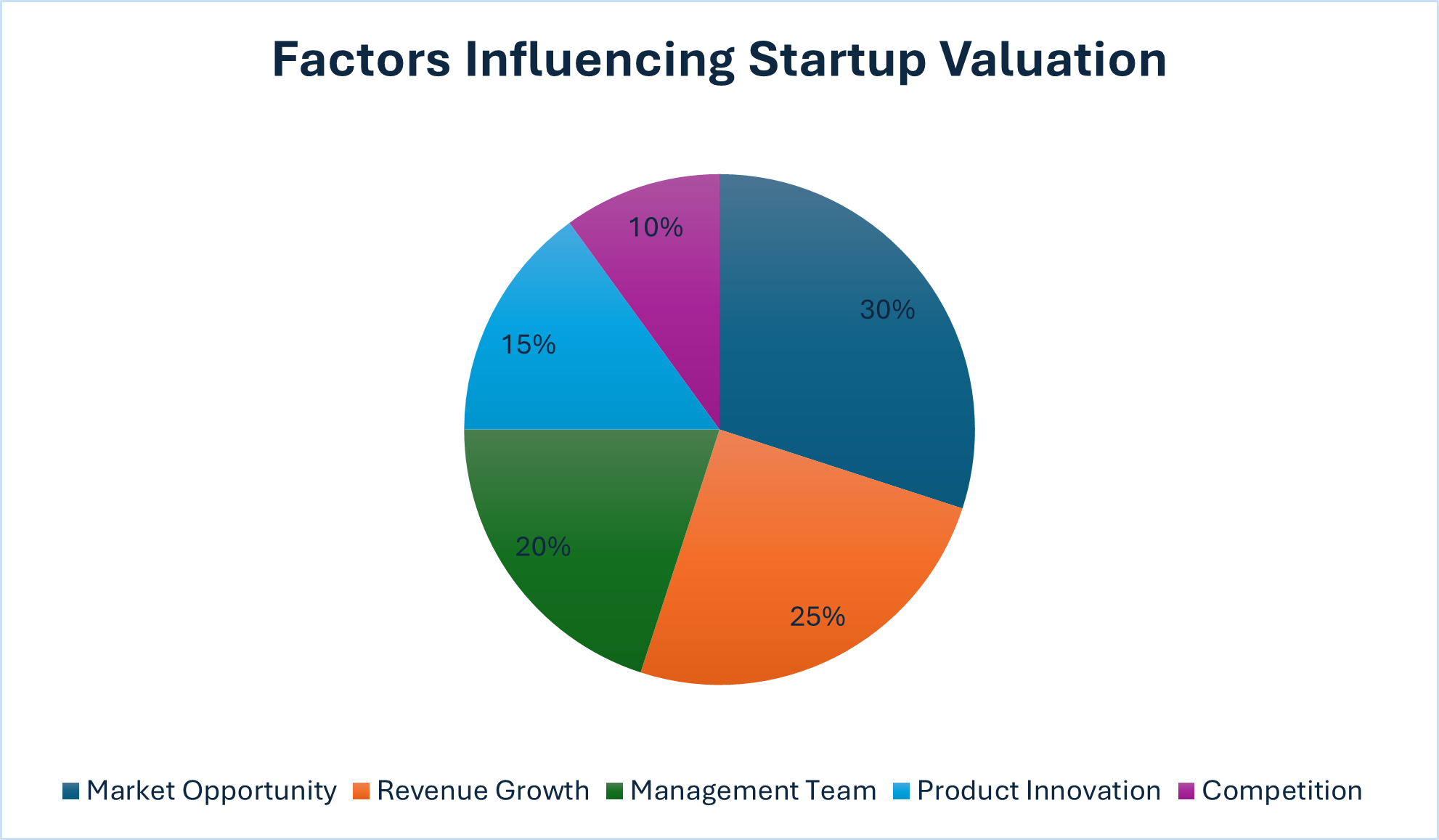
Introduction: -
Financial modelling has turned out to be one of the most sought-after career options for commerce students in today’s business world. With the rise of global finance, startup companies, and investments, businesses need experts who can analyze financial data and forecast future business growth. Financial modelling enables businesses to take significant decisions in areas like investments, mergers, acquisitions, budgeting, and forecasting.
Being commerce students, they have already gained adequate knowledge in areas like accounting, finance, and economics. Financial modelling, therefore, has become an ideal career option. Organizations can use tools like Microsoft Excel and financial databases to create financial models that can mimic real business scenarios.
Financial modelling experts are required in areas like investment banks, financial institutions, consulting firms, and startup companies. Organizations like Goldman Sachs, JP Morgan Chase, and Deloitte have employed financial modelling experts to assess business opportunities and risks.
Financial modelling has, therefore, become an ideal career option for commerce students.
What is Financial Modelling?
Financial modelling is the process of creating a mathematical representation of a company’s financial performance using spreadsheets and financial data.
A financial model usually includes:
Ø Revenue projections
Ø Expense forecasting
Ø Profit calculations
Ø Cash flow estimation
Ø Investment analysis
Companies use these models to evaluate future business decisions.
Example: - Suppose a startup plans to open a new manufacturing unit. Financial modelling can help estimate:
Ø Cost of machinery
Ø Operating expenses
Ø Expected revenue
Ø Profitability over 5–10 years
Based on this analysis, investors decide whether to invest in the project.
Why Financial Modelling is a Good Career for Commerce Students
1) Strong Financial Knowledge
Students who study commerce are familiar with subjects such as accounting, economics, and finance. These subjects help students develop knowledge about finance and the performance of businesses through financial statements.
2) High Industry Demand
Financial modelling experts are in high demand by companies. Organizations such as Deloitte and JP Morgan Chase require the services of experts in finance to help them predict the performance of their businesses in the future.
3) High Salary Potential
Financial modelling experts are well-paid. With experience in the field, the salary increases significantly. For instance, a person working as a financial analyst, investment banker, or finance manager is well-compensated.
4) Global Career Opportunities
Financial modelling skills are required all over the world. A person with the skills required for financial modelling can work anywhere in the world. For instance, a person with the skills required for the job can work in a multinational company or the global market.
5) Career Growth Opportunities
Financial modelling is a career with high growth opportunities. A person starting a career in finance as a financial analyst may advance to become a senior finance manager or even the CFO of at a leading financial organization like Goldman Sachs or KPMG.
Key Skills Required for Financial Modelling

Explanation of Skills
1. Excel Skills (35%)
Financial models are mainly built using spreadsheets like Microsoft Excel.
2. Accounting & Finance Knowledge (25%)
Understanding financial statements is essential for building accurate models.
3. Data Analysis (20%)
Professionals analyze large financial datasets to identify trends.
4. Business Strategy (10%)
Models must align with business goals and market conditions.
5. Communication Skills (10%)
Financial analysts must present insights clearly to management and investors.
Financial Modelling Career Path
1. Financial Analyst (Entry Level)
Financial Analyst is usually the first step for any financial modeling role. Financial Analysts analyze financial data and prepare reports using Microsoft Excel. Financial modeling is used to help companies understand financial gains and costs.
2. Junior Financial Modeller
Junior Financial Modellers work under senior financial analysts to prepare financial models. Junior financial modellers are responsible for building financial models to forecast revenue, expenses, and company valuations.
3. Investment Analyst
Investment analysts work to analyze investments for companies and individuals. Investment analysts analyze market trends and company financial statements to identify possible risks involved in investing in a company. Investment analysts work in companies such as Goldman Sachs.
4. Senior Financial Analyst
Professionals who work in financial modeling for some time become senior financial analysts. Senior financial analysts work to prepare financial models and analyze financial strategies for companies. Senior financial analysts work to help management take financial decisions.
5. Corporate Finance Manager
Corporate finance managers are responsible for managing company budgets and investments. Corporate finance managers work to ensure efficient use of company funds.
Salary Growth in Financial Modelling
The graph shows the average salary growth of financial modelling professionals in India.

|
Experience |
Average Salary |
|
0–1 year |
₹4 LPA |
|
3 years |
₹7 LPA |
|
5 years |
₹12 LPA |
|
8 years |
₹20 LPA |
|
12+ years |
₹35 LPA |
Salary varies depending on skills, certifications, and company.
Top companies like Amazon, Google, and KPMG hire financial analysts with strong modelling skills.
Real Life Example of Financial Modelling
Case Study: Startup Investment Decision
Imagine a startup launching an online food delivery service similar to Zomato.
Before investing ₹50 crore, investors build a financial model including:
Revenue Forecast
Ø Expected orders per day
Ø Average order value
Ø Monthly growth rate
Expense Forecast
Ø Delivery costs
Ø Employee salaries
Ø Marketing expenses
Profit Estimation
Ø Gross profit
Ø Operating profit
Ø Net profit
If the financial model predicts profitability within 3–4 years, investors may approve the funding.
Tools Used in Financial Modelling
Financial modeling experts use various tools to analyze financial data and make forecasts. The tools assist financial modeling experts in creating accurate financial models that are efficient and simple to comprehend.
1. Microsoft Excel
The most frequently used tool in financial modeling is Microsoft Excel. Microsoft Excel provides financial modeling experts the ability to create spreadsheets and perform financial forecasts and analysis of company data using various formulas and charts.
2. Power BI
Financial modeling experts use Power BI to perform data visualization and reporting. Power BI converts financial data into various reports and charts that assist management in easily understanding financial data.
3. Python
Financial modeling experts use Python for financial analysis. Python provides financial modeling experts the ability to perform financial analysis and automate financial models.
4. Financial Databases
Financial modeling experts use financial databases to retrieve financial data on various companies and the market. Bloomberg L.P. is an example of a financial database that provides financial statements and stock prices.
5. Presentation Tools
The results from financial modeling must be communicated effectively to managers and investors. Microsoft PowerPoint is a powerful tool for explaining financial model results, investment opportunities, and business strategies.
Advantages of Financial Modelling Career
1. High Demand in Industry
Financial modelling professionals are highly demanded in industries like banking, consulting, and corporate finance. Large firms such as Deloitte and KPMG hire financial modelling experts to analyze business performance and investment opportunities.
2. High Salary Potential
Financial modelling is a specialized skill, so professionals often earn higher salaries compared to many other commerce careers. As experience increases, salaries grow significantly in roles such as financial analyst, finance manager, or investment banker.
3. Global Career Opportunities
Financial modelling skills are useful worldwide because companies everywhere need financial analysis and forecasting. Professionals can work with multinational companies and global investment firms like Goldman Sachs.
4. Strong Career Growth
A career in financial modelling provides many growth opportunities. Professionals can start as financial analysts and later move into senior positions such as finance director or Chief Financial Officer (CFO).
5. Improves Analytical Skills
Financial modelling requires analyzing financial data, market trends, and business strategies. This helps professionals develop strong analytical and problem-solving skills.
Disadvantages of Financial Modelling Career
1. High Work Pressure
Financial modeling professionals have high work pressure, especially during financial reporting periods or mergers and acquisitions. Employees at Goldman Sachs may need to work hard on financial models.
2. Complex and Detailed Work
Financial models have a lot of formulas and financial calculations. A single error in Microsoft Excel may cause incorrect financial models. Hence, financial modeling professionals need to be careful with all the calculations.
3. Continuous Learning Required
Financial modeling tools and financial regulations are changing continuously. Professionals need to be aware of new financial modeling techniques and financial regulations.
4. High Responsibility
Financial models are used to take important business decisions. Hence, financial modeling professionals have a high sense of responsibility.
5. Repetitive Work at Early Career Stage
Financial modeling professionals may need to work hard at the early stage of their career. At the early stage of their career, professionals may need to work hard on financial models.
How Commerce Students Can Start a Career in Financial Modelling
Step 1: Complete Commerce Degree
Students can pursue:
Ø B. Com
Ø BBA
Ø Finance specialization
Step 2: Learn Financial Modelling
Courses teach:
Ø Excel modelling
Ø Financial statement analysis
Ø Valuation techniques
Step 3: Gain Certifications
Popular certifications include:
Ø CFA
Ø Financial Modelling Certification
Ø Investment Banking Courses
Step 4: Gain Practical Experience
Internships in finance firms provide real-world exposure.
Step 5: Build Portfolio Models
Students should create sample financial models for practice.
Future Scope of Financial Modelling
The demand for financial modelling professionals is increasing due to:
Ø Startup ecosystem growth
Ø Corporate expansion
Ø Global investments
Ø Data-driven decision making
Industries such as fintech, e-commerce, and renewable energy increasingly rely on financial modelling.
Companies like Tesla and Reliance Industries use financial models to evaluate large investment projects.
Conclusion
Financial modelling is one of the most promising career opportunities for commerce students. It involves the application of finance, analytical skills, and business strategies to assist organizations in making sound decisions. With the complexity of the global market increasing day by day, businesses need experts who can interpret the financial data and predict the outcome of the business.
For commerce students, the chances are high because they have a strong background in finance and accounting. With the acquisition of skills in excel and data interpretation, they have the potential to create a successful career in investment banking, corporate finance, consulting, and even entrepreneurship.
Financial modelling is a career that promises high-paying jobs and leadership positions in the finance sector.
Learn Financial Modeling 🚀
Enroll Now🔗 Related: Explore More Finance Guides